Study Case
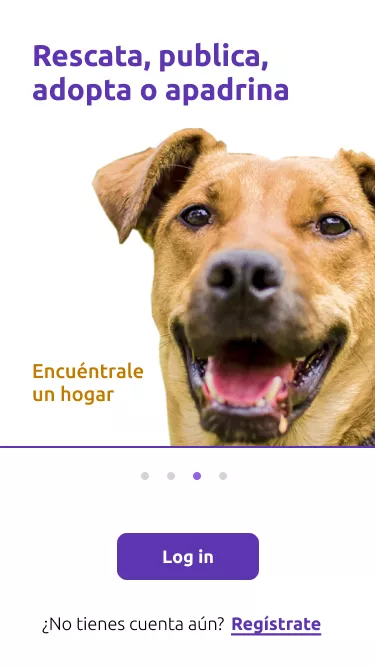
Application for animal rescuers – HuellitApp
Product design · Users research · Mobile Appication
Context
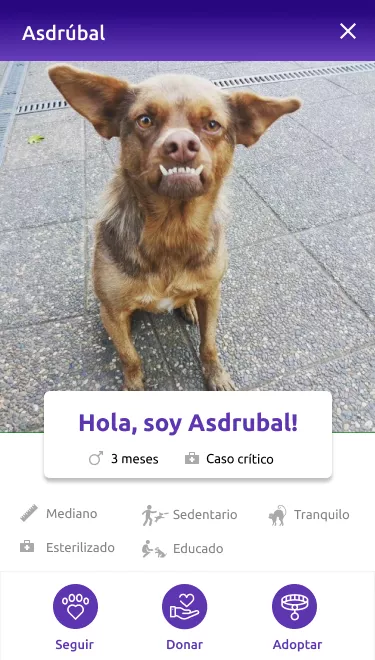
Street animals are a current problem in the city of Bogotá, where new cases show up each day, adding up thousands of individuals that wander scattered throughout all the localities, mainly abandoned dogs.
There are people who, without institutional support, rescue, adopt and support adoption processes on their own with no other reward than the satisfaction of helping animals that suffer from indifference, diseases, accidents and hunger.
The Problem
There is no platform that brings together rescuers, volunteers, and people interested in adopting or helping stray animals.
Goals
1
To create a support network and/or a community of timely help through a mobile application for the benefit of stray animals in the city of Bogotá.
2
To facilitate the work of people who currently rescue and seek people to adopt, adopt, or support adoption processes.
3
To achieve an increase in animal adoptions in the city with the digital product.
The Team
The User
Pain Points
1
Efforts scattered across different media.
2
Too much effort in time and work to achieve or support an adoption process.
3
Lack of resources and little state support to solve the problem.
Research
Surveys
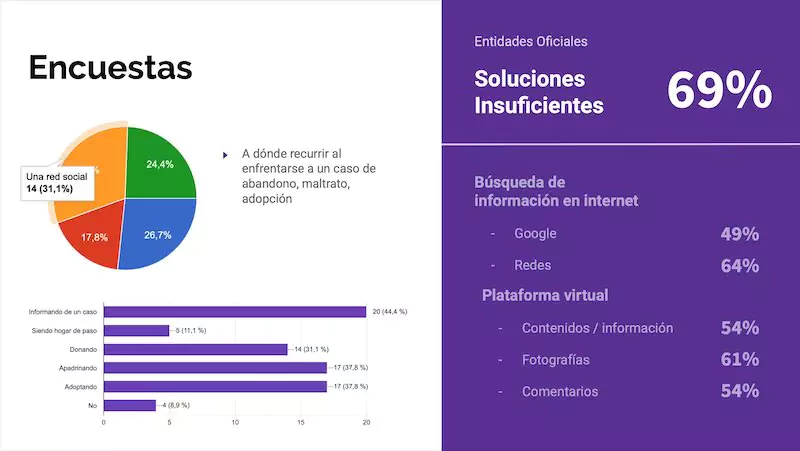
To understand how people act in cases of animal abandonment or abuse, and to learn about animals available for adoption, we conduct guerrilla-style surveys on the street.
Tools for empathy
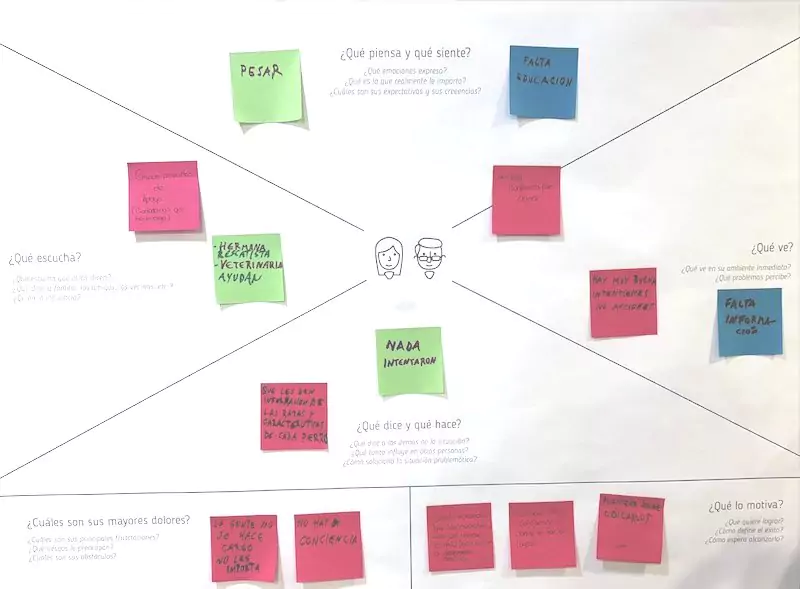
Based on the data collected in the surveys, we worked with multiple artifacts to frame the problem from the users’ perspective:
- Empathy Map
- Actors Map
- Golden Circle
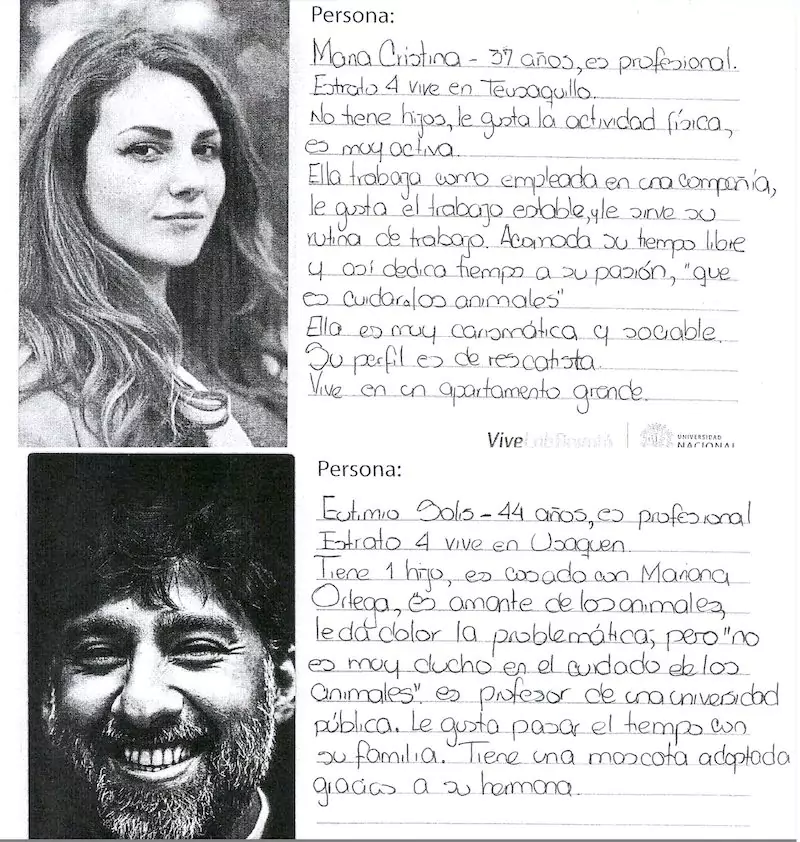
User pPersona
Based on the information analyzed, we identified two main types of users, both with different concerns:
- Rescuers who perform that task frequently.
- Interested parties, people who help publishing information or as temporary shelters.
Ideation
Based on the archetypes defined in the previous step and the initial insights, we began to develop a product proposal aimed at solving the identified problem. For this, we used several tools:
- Card Sorting
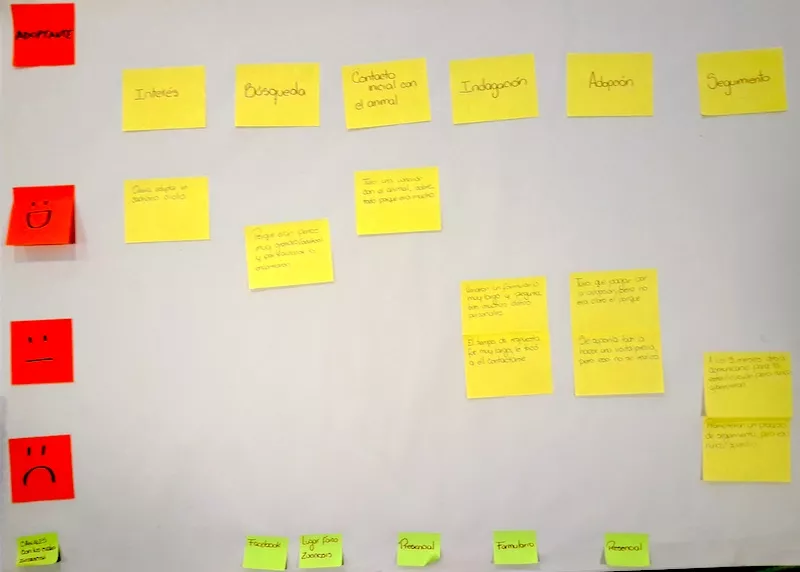
- User Story Mapping
- StoryBoard
- User flows
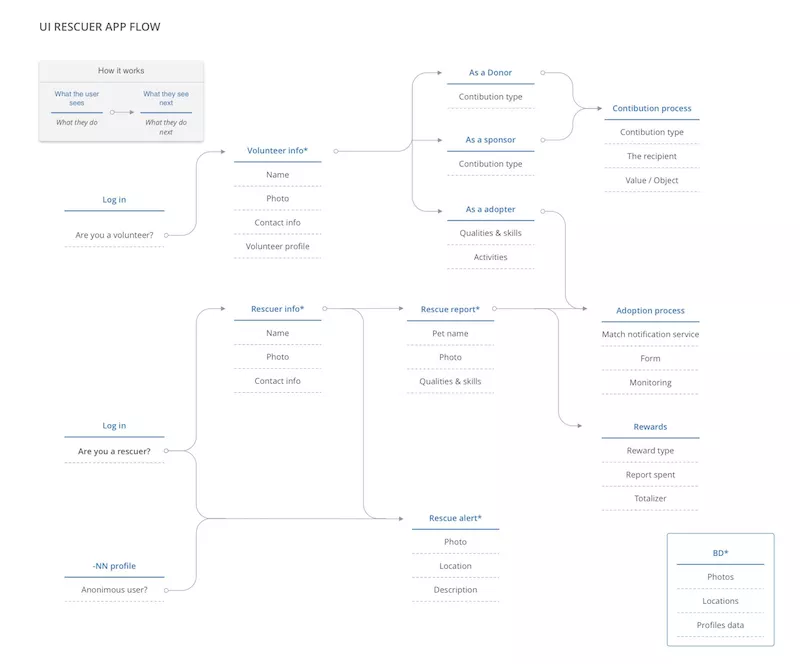
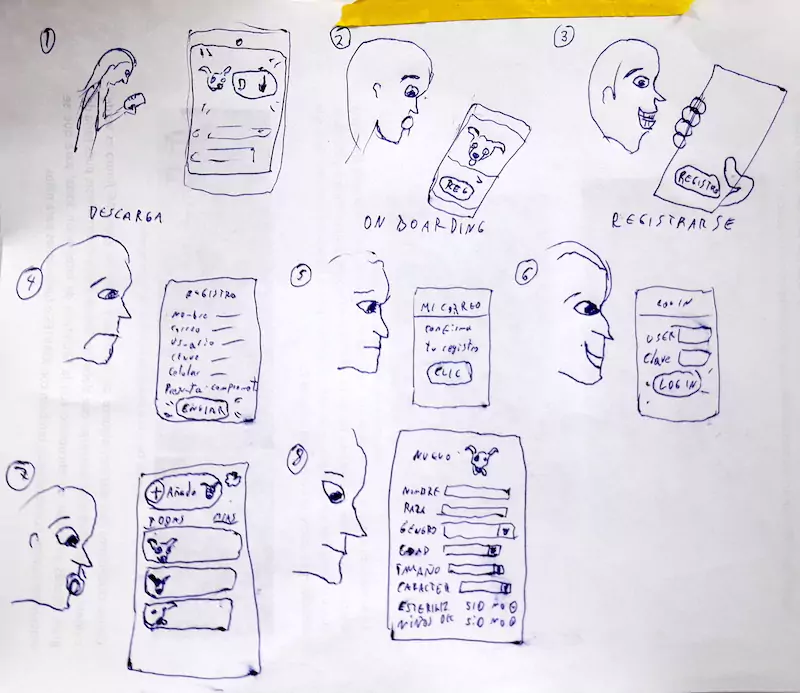
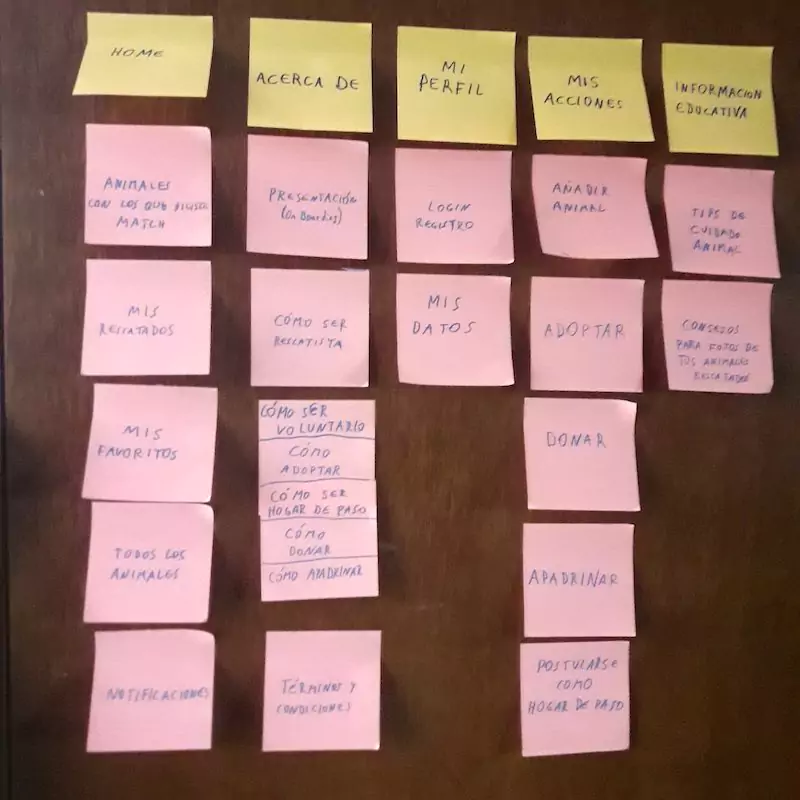
&
Design Process
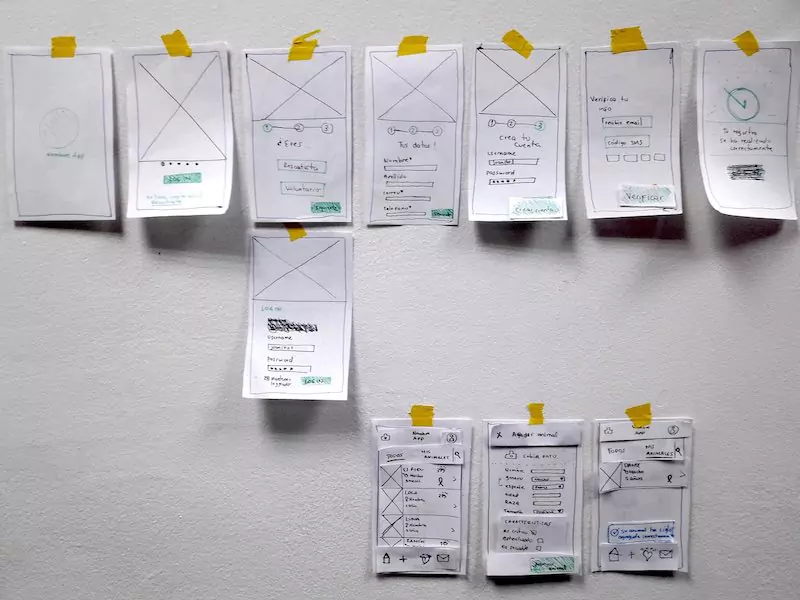
Wireframes y Paper Prototypes
We started the design process by defining wireframes for each screen defined in the user flow, which we then turned into paper prototypes on which we carried out early user testing.
- Registry
- Rescue
- Adoption
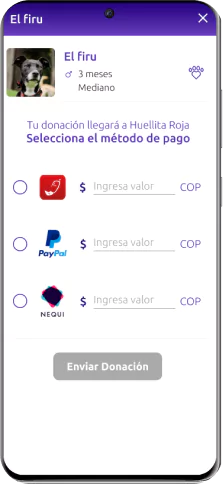
- Donation
Digital Prototypes
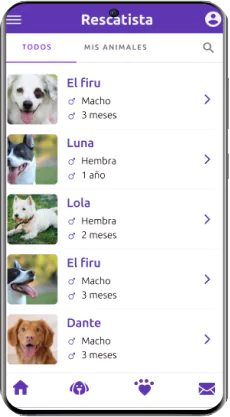
Based on the findings from the tests, we adjusted the prototypes and began working on digital prototypes.
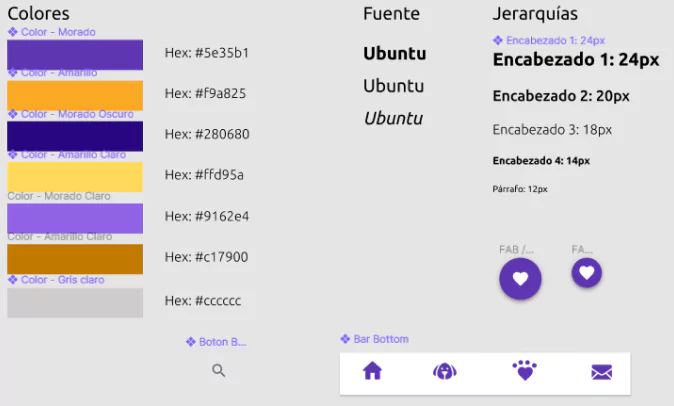
Initially we defined the design system, the look & feel and the language that the application should use to standardize the product’s voice.
Usability Study
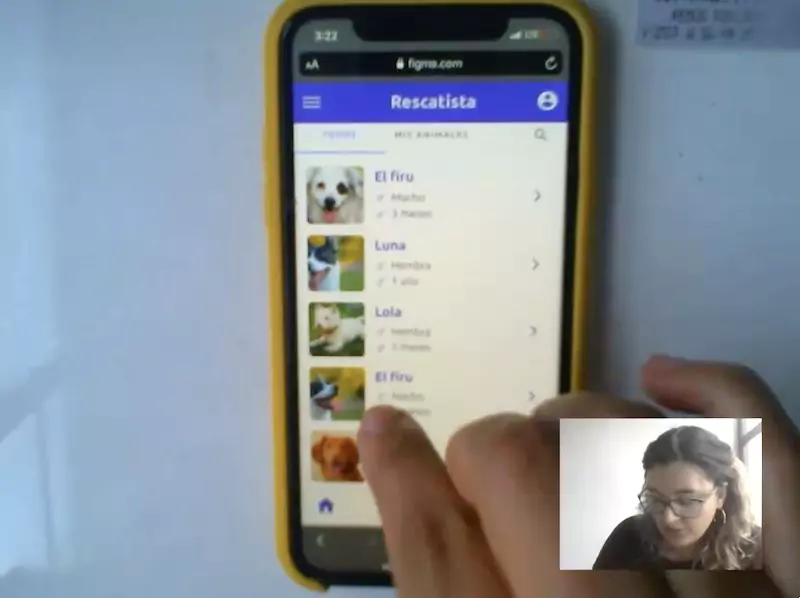
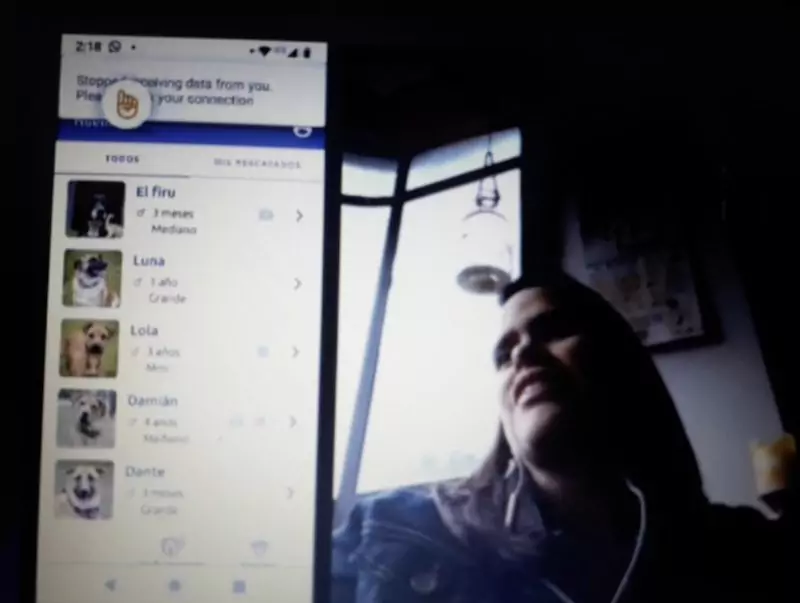
Next, we conducted two usability studies with 8 users with a rescuer profile (potential real users), testing the first version of the main flow.
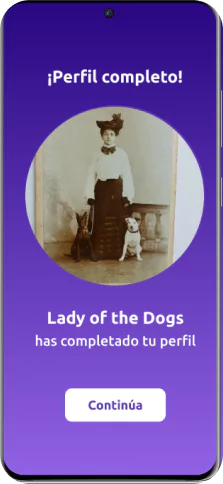
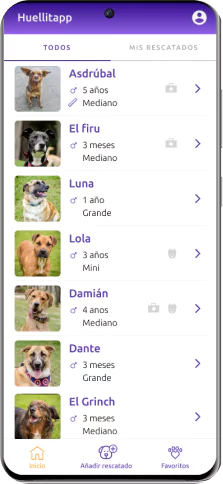
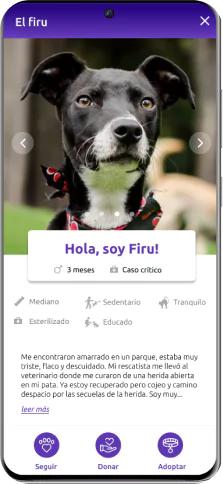
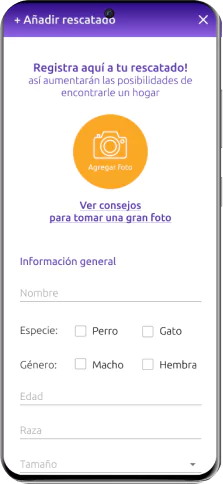
Improved Digital Prototypes
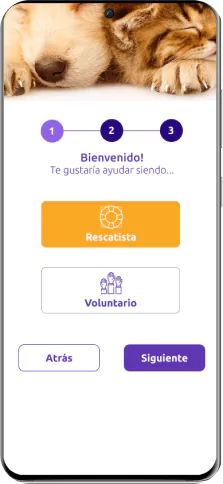
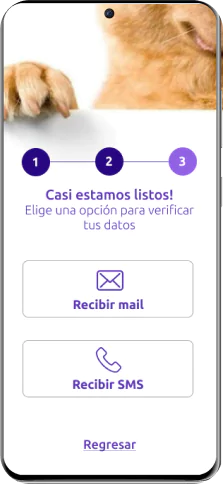
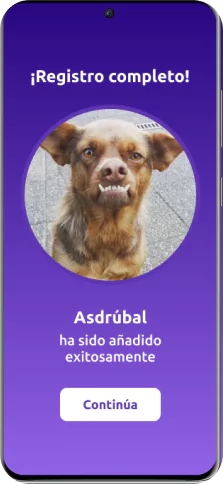
Based on the findings from the usability tests and the prioritization of improvements, we adjusted the prototypes.
Conclusions
Impact
What we learned
- Iteration with real users and accurate profiles is key to achieving the desired success in products.
- Working as a team with people from different backgrounds contributes greatly to the development of the idea.
- Detaching oneself from one’s own ideas and proposals is a key factor in achieving an effective product.